
Mining jaw crusher specifications and prices
Mining jaw crusher are essential equipment in the primary crushing stage of mineral processing. They are designed to handle hard and abrasive materials like granite, basalt, iron ore, and copper ore efficiently. Understanding their specifications and pricing helps buyers make informed decisions tailored to their mining or quarrying operations.
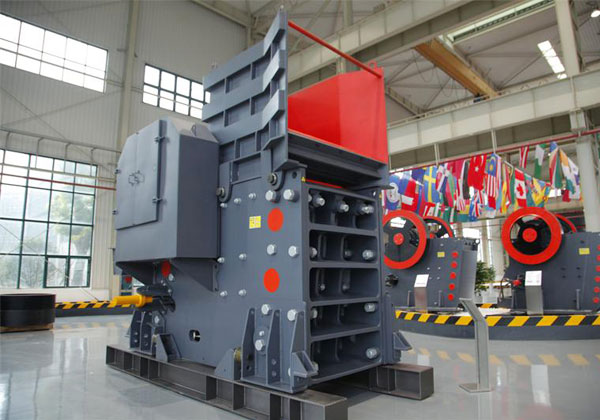
Key Specifications of Mining Jaw Crusher
1. Feed Opening Size
The feed opening determines the maximum size of rocks the crusher can handle. Common sizes range from 500 mm × 300 mm (20″ × 12″) up to 1500 mm × 1200 mm (60″ × 47″) for large-scale mining operations.
2. Capacity
Jaw crusher vary in production capacity, typically measured in metric tons per hour (t/h). Small crusher may process 50–100 t/h, while heavy-duty models can exceed 1,000 t/h.
3. Motor Power
Power requirements depend on crusher size and hardness of the material. Motors range from 30 kW (40 HP) for small units to 400 kW (500 HP) or more for industrial mining crusher.
4. Crushing Mechanism
- Single-toggle jaw crusher: Simple design, lower cost, suitable for medium-hard materials.
- Double-toggle jaw crusher: More robust and efficient for harder rocks, but with higher maintenance costs.
5. Adjustable Discharge Settings
The discharge gap (closed-side setting) controls the final product size, adjustable typically between 20 mm and 200 mm (0.8″–8″).
6. Material & Durability
High manganese steel jaw plates and heavy-duty frames ensure longevity in abrasive mining environments. Some models feature hydraulic adjustment systems for easier maintenance.
Price Range of Mining Jaw Crusher
Jaw crusher prices vary significantly based on size, capacity, brand, and additional features.
- Small Jaw Crusher (50–100 t/h): $20,000 – $50,000 USD
- Medium Jaw Crusher (100–300 t/h): $50,000 – $150,000 USD
- Large Jaw Crusher (300–1000+ t/h): $150,000 – $500,000+ USD
Additional costs may include installation, conveyor systems, and spare parts. Some manufacturers offer custom solutions, which may increase the overall investment.
Factors Affecting Jaw Crusher Selection
- Material Hardness: Softer materials like limestone require less power than granite or basalt.
- Production Requirements: Higher capacity needs mandate larger crusher.
- Mobility: Track-mounted crusher are ideal for temporary sites, while stationary models suit permanent installations.
- Maintenance & Operational Costs: Frequent maintenance can increase long-term expenses.
Selecting the right jaw crusher involves balancing capacity, durability, and budget. Prospective buyers should consult manufacturers for detailed quotes and suitability based on their specific mining conditions. For customized solutions, contacting suppliers directly ensures optimal productivity and cost efficiency.