
Cost of small limestone crushing equipment
Investing in small limestone crushing equipment is essential for construction projects, mining operations, and aggregate production. However, prices can vary widely depending on several factors. Understanding these variables will help you make an informed purchasing decision tailored to your specific needs.
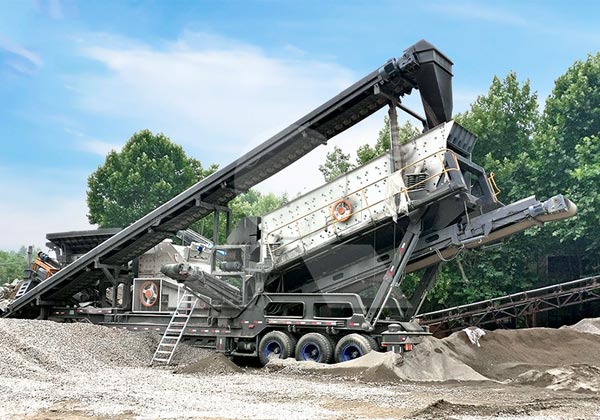
Key Factors Influencing Cost
1. Equipment Type
Different crushing machines serve different purposes:
- Jaw Crushers (like PE-250×400 or PE-400×600) – Ideal for primary crushing, priced economically under 100,000 RMB.
- Impact Crushers – Efficient secondary crushing, moderately priced.
- Hammer Crushers – Suitable for smaller limestone chunks with lower output.
- Cone Crushers – Higher precision crushing but typically more expensive.
Each type has different crushing mechanisms, production capacities, and price points. For example, small jaw crushers typically start under $15,000, while advanced cone crushers or mobile units may cost significantly more.
2. Production Capacity
Small-scale crushers typically process 5–100 tons per hour (TPH). Higher-capacity models, even within the “small” category, will cost more due to their enhanced motors, larger crushing chambers, and durability.
3. Brand and Manufacturer
Reputable manufacturers with proven reliability (like Liming Heavy Industry) may charge higher prices due to superior craftsmanship, warranty coverage, and after-sales support. Cheaper alternatives might save upfront costs but could lead to higher maintenance expenses.
4. Customization and Additional Features
Optional upgrades—such as dust suppression systems, automation controls, or wear-resistant liners—can increase costs but improve efficiency and longevity. Mobile crushers also cost more than stationary models due to their portability.
Estimated Price Range
- Small jaw crushers: $10,000–$50,000
- Small impact/hammer crushers: $15,000–$60,000
- Mobile mini-crushers: $50,000–$150,000
Prices fluctuate based on market conditions, raw material costs, and technological advancements.
Smart Investment Tips
- Assess Your Needs – Match equipment capacity (tons/hr) and output size (e.g., 0–5mm sand vs. 10–30mm aggregate).
- Prioritize After-Sales Support – Opt for suppliers offering spare parts, local service, and training.
While budget constraints matter, investing in reliable crushing equipment ensures consistent production and lower long-term costs. Consulting with manufacturers for tailored solutions can help strike the right balance between performance and affordability.