
Production cost of granite crushed stone
Granite crushed stone, a cornerstone material in construction and infrastructure projects, has seen fluctuating production costs that are raising concerns for quarry operators and builders alike. As demand for high-quality aggregates continues to grow in road construction, concrete production, and urban development, understanding the factors driving costs has become critical for industry stakeholders.
Key Factors Affecting Production Costs
The production cost of granite crushed stone is influenced by several interrelated factors:
- Raw Material Extraction – Granite quarrying involves significant initial investments in land acquisition, permits, and blasting operations. The hardness of granite adds to the cost, as more robust equipment and higher energy consumption are required for extraction.
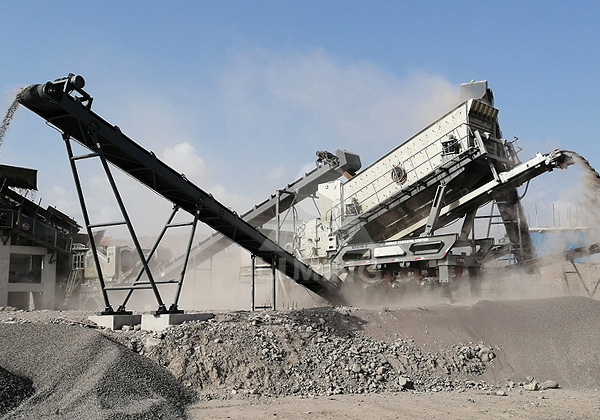
- Machinery and Maintenance – Crushers, such as jaw crushers, cone crushers, and impact crushers, form the backbone of granite processing. Regular maintenance, spare parts, and depreciation of equipment contribute significantly to operating expenses.
- Labor Expenses – Skilled operators and technicians are essential for efficient quarry and crushing operations. Wages, training, and safety measures add to the total cost structure.
- Transportation and Logistics – After crushing and screening, granite must be transported to construction sites. The distance from the quarry to the end user and the type of transport vehicle can significantly affect costs.
- Environmental Compliance – Dust suppression, wastewater management, and noise control are mandatory in many regions, including Europe and Southeast Asia. Implementing these environmental measures adds to production overheads.
Estimated Cost Per Ton
Industry estimates suggest that producing granite crushed stone can range from $10 to $30 per ton, depending on quarry location, equipment efficiency, and local energy costs. High-capacity plants with modern crushers and automated systems can reduce per-ton costs, while smaller operations may face higher expenses due to inefficiencies and maintenance requirements.
Market Implications
Higher production costs are expected to influence granite pricing in the construction sector. Contractors may face rising aggregate prices, which could affect overall project budgets. Some operators are turning to innovative solutions, such as mobile crushing plants and energy-efficient machinery, to maintain competitiveness.
Industry analysts emphasize that careful planning and investment in efficient crushing technologies are key to balancing quality and cost in granite production. As urban infrastructure projects continue to expand globally, the demand for crushed stone is unlikely to diminish, keeping the focus on optimizing production costs for sustainable profitability.