
How to replace the jaw plate of jaw crusher
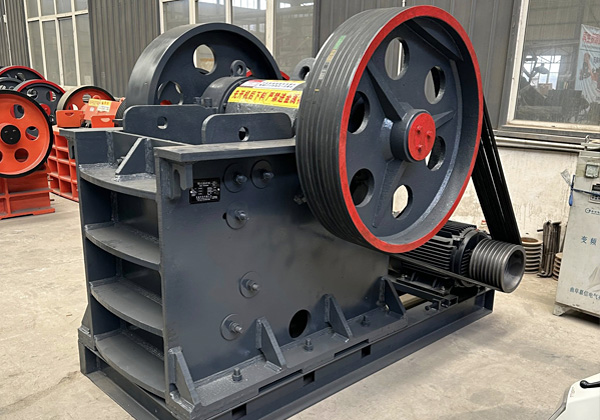
The jaw crusher is one of the most commonly used crushing machines in mining, quarrying, and aggregate production. Among its components, the jaw plates play a vital role in crushing materials efficiently. Over time, these plates wear out due to abrasion and impact, affecting performance and production efficiency. Proper replacement of jaw plates is essential to maintain optimal operation.
1. Understanding the Jaw Plate
The jaw plate is the component of a jaw crusher that directly contacts and crushes the material. There are typically two types:
-
Fixed jaw plate: Mounted on the frame of the crusher.
-
Movable jaw plate: Attached to the moving jaw, moving back and forth to crush material.
Jaw plates are usually made of manganese steel or other wear-resistant alloys to withstand heavy-duty crushing.
2. Signs You Need to Replace the Jaw Plate
Replacing jaw plates is necessary when you notice:
-
Reduced crushing efficiency or production capacity.
-
Uneven material size after crushing.
-
Visible cracks, severe wear, or deformation on the jaw plate.
-
Frequent material blockage in the crushing chamber.
3. Safety Precautions Before Replacement
Before replacing jaw plates, ensure:
-
The crusher is completely shut down and power is disconnected.
-
All moving parts have come to a complete stop.
-
You are wearing appropriate personal protective equipment (PPE) such as gloves, safety goggles, and steel-toed boots.
-
The working area is clear of debris and personnel.
4. Tools Required
You will need:
-
Wrenches or socket set
-
Hammer or rubber mallet
-
Pry bars
-
Lubricant (optional, for easier removal)
-
Lifting device (for large jaw plates)
5. Steps to Replace the Jaw Plate
Step 1: Remove the Old Jaw Plate
-
Open the crusher chamber and secure the movable jaw.
-
Loosen the bolts or fasteners holding the jaw plate.
-
Carefully pry the old jaw plate from the movable or fixed jaw using a pry bar or hammer.
Tip: For heavy jaw plates, use a lifting device to avoid injury.
Step 2: Inspect the Crusher Components
-
Check the condition of the jaw seat and other mounting surfaces.
-
Remove any debris or worn-out pieces.
-
Ensure there are no cracks or damages to the frame.
Step 3: Install the New Jaw Plate
-
Align the new jaw plate with the mounting surface.
-
Gently tap it into position using a hammer or rubber mallet.
-
Ensure the plate fits snugly without gaps.
-
Secure the plate with bolts or fasteners, tightening them evenly to avoid misalignment.
Step 4: Test the Crusher
-
Manually move the jaw to ensure smooth motion.
-
Reconnect power and run the crusher without load to check for abnormal vibrations or noises.
-
Start crushing with small material loads to verify proper operation.
6. Maintenance Tips to Extend Jaw Plate Life
-
Regularly check for wear and replace jaw plates promptly.
-
Avoid crushing materials harder than the crusher’s design allows.
-
Adjust jaw settings to prevent overloading.
-
Rotate jaw plates periodically to distribute wear evenly.
Replacing the jaw plate of a jaw crusher is a critical maintenance task that directly affects crushing efficiency and machine longevity. By following proper safety measures, using the right tools, and carefully installing new jaw plates, you can ensure optimal performance and reduce downtime. Regular inspection and preventive maintenance will extend the life of both the jaw plates and the crusher itself.